
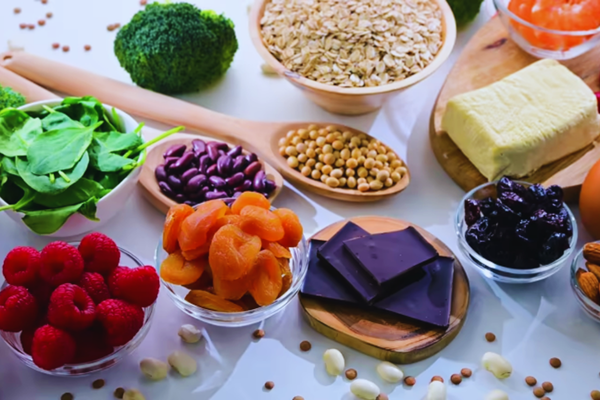
Introduction
For couples navigating the path of trying to conceive (TTC), the focus often centers on timing, cycles, and medical advice. However, a significant and often overlooked factor in reproductive health is the fundamental nourishment we provide our bodies.
The simple act of choosing the right fertility-boosting foods can optimize the environment for conception and support early fetal development. This isn’t about restrictive dieting; it’s about adopting a diet to increase fertility by prioritizing essential micronutrients and balancing metabolic function.
Understanding how specific foods impact hormone regulation, egg quality, and sperm health provides a powerful, natural pathway to enhancing your conception success. This guide delves into the science-backed ingredients that transform your pantry into a powerful tool for your fertility journey.
Fertility Boosting Foods Superstars: The Power of Key Nutrients
The relationship between nutrition and fertility is rooted in specific vitamins, minerals, and fatty acids that directly participate in reproductive processes. When selecting fertility boosting foods, the goal is to supply the body with the building blocks necessary for healthy eggs and robust sperm. These nutrients are metabolic cofactors, meaning they are essential for the hormonal pathways that govern ovulation and implantation.
Folate, Iron, and Zinc: Essential Micronutrients
Three key micronutrients—Folate, Iron, and Zinc—are paramount when discussing the best prenatal diet.
- Folate (Vitamin B9): This is perhaps the most famous nutrient in the fertility-boosting foods category. Folate is crucial for DNA synthesis and repair, a process that occurs rapidly in both sperm and egg production. Furthermore, adequate Folate intake significantly reduces the risk of neural tube defects in early pregnancy. Dark leafy greens, asparagus, and citrus fruits are excellent natural sources.
- Iron (Non-Heme): Research, particularly the Nurses’ Health Study, has indicated a link between non-heme iron (plant-based iron) intake and a lower risk of ovulatory dysfunction in women. Iron is necessary for hemoglobin production, ensuring that blood—and the oxygen it carries—efficiently reaches the reproductive organs. Include lentils, beans, and fortified whole grains to boost your iron levels.
- Zinc: Often recognized for its role in immunity, Zinc is critically important for both male and female fertility. In men, it is involved in testosterone metabolism and is vital for maintaining high sperm health and integrity. In women, Zinc plays a role in egg maturation and the regulation of the menstrual cycle. You can find this mineral in seeds, nuts, and red meat.
Healthy Fats and Omega-3s: Improving Egg and Sperm Quality
Not all fats are created equal, and some are essential fertility boosting foods. The membranes of all reproductive cells, including the egg and the sperm, are composed of fat. Therefore, the type of fat you consume directly influences the quality and function of these cells.
- Omega-3 Fatty Acids: These polyunsaturated fats, specifically DHA and EPA, are potent anti-inflammatory agents. They help regulate reproductive hormonal balance and increase blood flow to the uterus and ovaries. This improved circulation aids in developing high-quality eggs and supports a receptive uterine lining for implantation. For men, Omega-3s are directly correlated with improved sperm motility and morphology.
- Monounsaturated Fats (MUFAs): Found in foods like olive oil and avocados, MUFAs are crucial healthy fats that support overall metabolic health, which, in turn, positively affects reproductive function and reduces generalized inflammation.
Antioxidants: Protecting Reproductive Cells
Antioxidants are compounds that neutralize unstable molecules called free radicals, which cause damage known as oxidative stress. Oxidative stress is a primary culprit in degrading egg quality and sperm DNA. A diet rich in antioxidant fertility boosting foods protects the delicate reproductive environment.
Vitamins C and E, beta-carotene, and selenium all function as powerful antioxidants. By ensuring a high intake of brightly colored vegetables and fruits, you fortify your body’s defense system, helping to shield both the egg and sperm from this cellular damage.
Top 10 Fertility Boosting Foods to Add to Your Plate Today
Translating nutritional science into daily meal choices requires focusing on accessible, whole ingredients. Incorporating these top ten fertility-boosting foods is a practical and enjoyable way to follow a healthy eating plan for conception.
Beans and Legumes: Plant-Based Protein and Folate
Lentils, chickpeas, and black beans are stellar fertility boosting foods. They are an excellent source of plant-based protein, which studies link to a reduced risk of ovulatory infertility compared to high consumption of animal protein.
Furthermore, they are rich in Folate and Iron, two critical nutrients for reproductive cell health. Making a simple swap—replacing one serving of animal protein daily with a serving of legumes—can meaningfully contribute to your goal.
Fatty Fish (Salmon & Sardines): The Ultimate Omega-3 Source
Fatty fish like salmon, mackerel, and sardines are unmatched sources of Omega-3s, providing DHA and EPA. These fats are essential for the structural integrity and function of reproductive hormones.
These fertility-boosting foods are also a good source of Vitamin D, a nutrient increasingly linked to positive reproductive outcomes. When purchasing, choose low-mercury options like salmon and sardines as part of a balanced diet.
Walnuts and Seeds: High in Vitamin E and Zinc
Walnuts and smaller seeds (like pumpkin and sunflower) are dense packages of vital nutrients. Walnuts are especially noteworthy for their high Omega-3 content and are one of the key fertility-boosting foods for men, demonstrably improving sperm motility.
Pumpkin seeds offer significant Zinc, an essential mineral for both egg and sperm production. They are also rich in Vitamin E, an antioxidant that protects cells from damage.
Full-Fat Dairy: Hormone Balance Support
The recommendation to choose full-fat dairy over non-fat versions when TTC is based on evidence suggesting it supports better hormonal function.
The fat in milk and yogurt contains fat-soluble vitamins and may influence the sex hormones present. Opting for a daily serving of full-fat yogurt or milk provides essential calcium, Vitamin D, and protein, all contributing to a proper hormonal balance necessary for healthy ovulation.
Dark Leafy Greens & Colorful Berries: Antioxidant Rich Fertility Boosting Foods
You cannot overstate the importance of dark leafy greens (spinach, kale, collards) in a fertility-focused diet. They are nutritional powerhouses, particularly high in Folate and non-heme Iron.
Similarly, brightly colored vegetables and fruits—especially berries like blueberries and raspberries—are packed with the highest levels of antioxidants. These berries are highly effective fertility-boosting foods, helping to neutralize free radicals and protect the quality of eggs and sperm.
Cooked Tomatoes: Lycopene for Male Fertility
Cooked tomatoes are a crucial inclusion for supporting male fertility.
The process of cooking releases Lycopene, a potent antioxidant. Lycopene has been shown in studies to improve sperm health metrics, including morphology (shape) and concentration. Incorporating tomato paste, sauces, or roasted tomatoes is an easy and effective dietary adjustment.
Whole Grains
Whole grains such as oats, quinoa, and brown rice provide complex carbohydrates and fiber. They play a vital role in stabilizing blood sugar and insulin levels, which is crucial for women with conditions like PCOS. Choosing whole grains helps prevent rapid insulin spikes that can interfere with ovulation.
Avocados and Olive Oil
These are primary sources of monounsaturated healthy fats. Avocados, in particular, are rich in Vitamin E, another potent antioxidant that supports a healthy uterine lining. Using olive oil as your primary cooking fat is a cornerstone of the Mediterranean diet, widely regarded as the most effective diet to increase fertility.
Citrus Fruits
Oranges, grapefruits, and lemons are packed with Vitamin C, a powerful antioxidant. Like other antioxidant-rich fertility boosting foods, Vitamin C helps protect eggs and sperm. They also contain polyamines, compounds that are thought to be important for reproductive cell health.
Eggs
Eggs are one of the most complete fertility boosting foods, offering high-quality protein and a wealth of vitamins and minerals. The yolk is particularly rich in Choline, which is vital for early fetal brain development, and Vitamin D. They represent an easy and versatile way to incorporate essential nutrients into your diet.
Foods to Avoid: Counteracting Fertility Boosting Foods Efforts
While focusing on incorporating fertility-boosting foods is a positive step, recognizing and limiting certain detrimental items is equally important. These foods can disrupt hormonal balance and increase inflammation, directly counteracting the benefits of your healthier dietary choices.
Trans Fats and Highly Processed/Refined Foods
Trans fats are artificially created fats found primarily in fried foods, commercial baked goods, and some processed snacks. They have been directly linked to an increased risk of ovulatory infertility.
Similarly, foods high in refined sugars and white flour (such as white bread, sodas, and candy) have a high glycemic index (GI). These foods cause rapid spikes in blood sugar, leading to insulin resistance and disrupting hormonal balance. Stable insulin regulation is paramount for healthy ovulation, and reducing these items is a key component of a successful fertility diet.
Limiting Caffeine and Alcohol Intake
Moderation is key, but both caffeine and alcohol require thoughtful limits when trying to conceive. Excessive caffeine consumption (generally over 200mg daily, equivalent to about one 12-ounce cup of coffee) may affect the time it takes to conceive and increase the risk of miscarriage.
Alcohol, especially when consumed heavily, can interfere with hormone levels and compromise both egg and sperm health. It is also prudent to limit processed meats like hot dogs and deli cuts, which are often high in saturated fats and additives that may negatively impact fertility outcomes.
When choosing protein, opt for fresh, lean sources that support the benefits of your fertility boosting foods strategy.
Beyond Fertility Boosting Foods: Supplements and Lifestyle
A comprehensive approach to enhancing your chances of conception goes beyond the food on your plate and includes strategic supplementation and lifestyle adjustments. These factors work in synergy with fertility boosting foods to prepare the body for pregnancy.
The Non-Negotiable: Starting Folic Acid Now
While natural fertility boosting foods provide Folate, experts globally recommend that all women trying to conceive start a daily supplement containing 400mcg of Folic Acid (the synthetic form of Folate) at least one month before trying.
The neural tube, which becomes the baby’s brain and spinal cord, develops in the first four weeks of pregnancy—often before a missed period. Therefore, starting prenatal vitamins early ensures that critical Folate levels are established at this crucial time.
Hydration, Sleep, and Stress Management
A successful healthy eating for conception plan is supported by healthy lifestyle habits. Hydration is vital; water facilitates nutrient transport and helps maintain healthy cervical fluid. Aim for 8-10 glasses of water daily.
Prioritizing 7-9 hours of quality sleep nightly is essential for regulating reproductive hormones. Finally, managing stress through mindfulness or moderate exercise helps keep the cortisol levels low, reducing the chances of stress-induced hormonal imbalances that can interfere with ovulation.
These lifestyle changes, when combined with fertility boosting foods, provide a holistic foundation for your journey.
Making a Sustainable Change to Your Fertility Diet
Shifting your lifestyle to incorporate fertility-boosting foods is a powerful act of preparation. It’s a marathon, not a sprint; focus on small, sustainable changes rather than drastic overhauls.
Prioritizing healthy fats, plant-based protein, and a rainbow of antioxidant-rich fruits and vegetables will ensure your body is receiving optimal nourishment. This comprehensive approach—combining smart nutrition, necessary supplements, and lifestyle care—forms the foundation of a successful fertility diet and sets the stage for a healthy pregnancy.
FAQ
Are there specific fertility boosting foods for men?
Yes, many fertility-boosting foods support male reproductive health by improving sperm motility, count, and quality. Key examples are walnuts (rich in Omega-3s), cooked tomatoes (high in Lycopene), and foods rich in Zinc and Selenium (like pumpkin seeds and oysters). Prioritizing antioxidants is essential for protecting sperm from damage, making these excellent fertility-boosting foods for the male partner.
What is the single most important nutrient in fertility boosting foods?
While a balanced diet is key, Folate (or Folic Acid, the synthetic form) is arguably the most critical nutrient. It is vital for preventing neural tube defects and is a powerful fertility-boosting food component found in dark leafy greens and legumes. It is recommended to supplement with 400mcg of Folic Acid before conception, even when consuming ample fertility-boosting foods.
Does the “fertility diet” focus on low-fat or full-fat dairy?
Studies suggest that including one or two servings of full-fat dairy daily may be more beneficial than low-fat options, particularly for women with ovulatory infertility. The balance of hormones and fat-soluble vitamins in full-fat dairy seems to provide better fertility-boosting benefits for conception, but this should be balanced with overall calorie intake.
Do I need to cut out all caffeine and alcohol when trying to conceive?
While eliminating them is the safest approach, current guidelines suggest moderation. Limit caffeine intake to under 200mg per day (about one 12-oz cup of coffee). Many specialists advise completely avoiding alcohol when actively trying to conceive to prevent potential risks during the early, unknown stages of pregnancy.
How quickly do fertility boosting foods start to work?
Changes in diet can begin affecting sperm and egg quality in a matter of weeks, but the full impact takes time. Sperm take about 72 days to mature, and egg development can take up to 90 days. Therefore, a consistent diet rich in fertility-boosting foods should be maintained for at least 3 months before actively trying to conceive for optimal results.