
Introduction
For years, the conversation around fertility was often dictated by a ticking clock. In 2026, that narrative has shifted. Fertility preservation is no longer a “backup plan” for a worst-case scenario; it has become a proactive tool for personal empowerment.
However, as the technology becomes more accessible, the most important question remains: what is the actual success rate of frozen eggs?
In the past, patients were often given vague percentages that didn’t account for individual health. Today, we look at success & fertility preservation through the lens of precision medicine.
We’ve moved beyond generalities to a space where biological data-driven care allows us to predict outcomes with startling accuracy. This guide cuts through the marketing noise to give you a clear, honest look at how modern science impacts your frozen eggs success rate and what you can realistically expect from the process today.
Decoding the 2026 Frozen Eggs Success Rate by Age
When we talk about the frozen eggs’ success rate, age isn’t just a number—it is the primary driver of egg quality and chromosomal health.
While vitrification tech has mastered the “freeze,” it cannot reverse the biological state of the egg at the time of retrieval. This is why age-specific fertility statistics remain the gold standard for setting expectations.
The clinical reality of the frozen eggs’ success rate generally falls into these brackets:
- Under 35: This is the biological “sweet spot.” At this age, the frozen eggs success rate is at its peak, often resulting in a 52% live birth rate per single transfer. To reach a 70% to 80% cumulative chance of a baby, we typically aim to harvest 14–20 eggs.
- 35–37: We see a slight, natural dip here. The frozen eggs success rate remains strong, but you may need to freeze a higher volume of eggs—usually 15 or more—to offset a gradual increase in chromosomal abnormalities.
- 38–40: This is where oocyte cryopreservation outcomes become more variable. The frozen eggs success rate per egg is lower, meaning many women choose to undergo multiple cycles to secure 20–26 eggs, which helps maintain a live birth probability of around 30% to 35%.
- Over 40: While still possible, the frozen eggs success rate drops to approximately 19% or lower per cycle. For these patients, we often pivot to more aggressive stimulation or discuss how donor options might supplement their journey.
Understanding your specific bracket is the first step in building a reliable frozen eggs success rate strategy that actually works for your future.
Clinical Factors That Dictate Your Frozen Eggs Success Rate
It is a common misconception that the number of eggs in the freezer is the only metric that matters. In reality, the frozen eggs success rate is determined by a complex interplay between the quantity retrieved and the quality of the lab’s technology.
The process begins with your ovarian reserve, typically measured through AMH levels. A higher reserve usually allows for a more robust retrieval, which statistically improves your frozen eggs success rate by providing more “attempts” at a viable pregnancy later on.
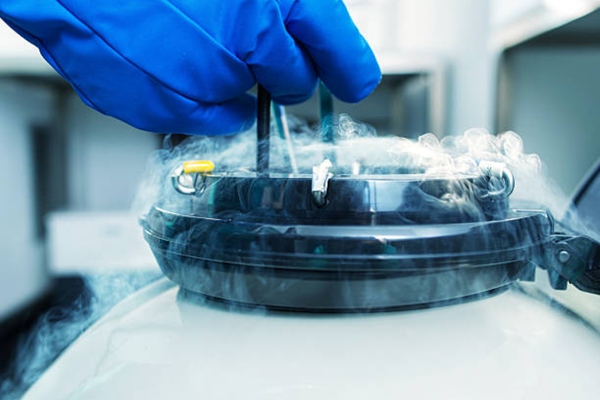
Once retrieved, the technical side of the lab takes over. In 2026, the industry standard is vitrification, a flash-freezing method that prevents ice crystals from damaging the delicate cellular structure of the egg.
This technology has revolutionized the frozen eggs success rate by ensuring a thaw survival rate of over 90%. However, survival is only the first hurdle.
The ultimate frozen eggs success rate depends on how those eggs behave once they are thawed and fertilized. This is why we focus so heavily on egg “competence.”
Factors like the lab’s oxygen levels, the pH balance of the culture media, and even the timing of the retrieval play silent but critical roles. By optimizing these clinical variables, we can ensure that the frozen eggs success rate you are quoted during your initial consultation translates into a successful clinical outcome years down the line.
Advanced 2026 Protocols: DuoStim and niPGT-A
To push the frozen eggs success rate even higher, modern fertility medicine has introduced protocols that work with a woman’s natural cycle rather than against it. One of the most significant breakthroughs is the DuoStim protocol benefits.
Traditionally, a woman would wait a full month between retrievals. DuoStim allows for two stimulations and two retrievals within a single menstrual cycle. For those concerned about a declining frozen eggs success rate due to age or low reserve, this “double stimulation” can effectively double the number of eggs collected in half the time.
Beyond the retrieval phase, the way we screen embryos has also evolved. We are moving away from invasive biopsies toward niPGT-A (non-invasive preimplantation genetic testing). This uses AI-powered embryo selection to analyze the DNA released into the culture media.
By identifying which embryos are chromosomally normal without touching the embryo itself, we can significantly increase the frozen eggs success rate per transfer.
These advancements mean that a frozen egg’s success rate that might have been 20% a decade ago is now substantially higher.
By integrating these tools, we aren’t just freezing eggs; we are freezing the highest quality biological material possible. This technological shift is a major reason why the frozen eggs success rate has become more predictable and reliable for women across all age groups in 2026.
Cumulative Live Birth Rate vs. Per-Cycle Success
When researching the frozen eggs success rate, it is easy to get hyper-focused on the results of a single “try.” However, in 2026, reproductive specialists prioritize the IVF cumulative live birth rate.
This metric looks at the probability of having a baby across all available embryo transfers resulting from your frozen eggs, rather than just the first attempt.
The data is clear: while a single cycle for a woman under 35 may offer a frozen eggs success rate of about 45% to 52%, the numbers jump significantly when you look at the long game. By the third cycle, the cumulative success rate often reaches 85% to 90%.
This happens because clinicians use the first cycle as a diagnostic roadmap. If the initial results aren’t what we expected, we implement second cycle optimization. This means we adjust the hormone dosages, the timing of the “trigger” shot, or the lab’s specific incubation settings to fix the failure points identified in the previous round.
Viewing the frozen eggs success rate as a journey of multiple steps rather than a one-off event reduces emotional burnout.
It allows you to plan your personalized fertility roadmap with the understanding that even if the first transfer doesn’t lead to a pregnancy, the data gathered from that experience is what ultimately helps secure your success in the next.
Lifestyle and Oocyte Quality Optimization
While we cannot change our chronological age, 2026 research emphasizes that we can influence the metabolic environment in which eggs mature.
This biological fine-tuning is a subtle but effective way to support your overall frozen eggs success rate. We now know that egg quality is significantly influenced by oxidative stress and mitochondrial health in the 90 days leading up to a retrieval.
To optimize your frozen eggs success rate, many experts suggest a “pre-conception” phase focused on cellular health. This includes:
- Metabolic Stability: Maintaining a balanced BMI and stable blood sugar levels to reduce inflammation in the follicular fluid.
- Targeted Nutrition: Utilizing a Mediterranean-style diet rich in Omega-3s and CoQ10, which supports the energy-producing mitochondria within the egg.
- Lifestyle Shifts: Eliminating smoking and reducing high caffeine intake, both of which are clinically linked to lower frozen eggs success rates and higher DNA fragmentation.
By taking these steps, you are essentially “prepping the soil” before the harvest. While these shifts aren’t a substitute for medical intervention, they provide a cleaner, healthier foundation for the high-tech protocols to do their best work, ultimately giving you the best possible frozen eggs success rate when you’re ready to use them.
Conclusion
Choosing to freeze your eggs is a deeply personal decision, but in 2026, it is one backed by more robust data than ever before. While the frozen eggs success rate is never a 100% guarantee, the transparency of modern statistics and the precision of AI-driven labs have removed much of the guesswork.
If you are considering this path, the most important takeaway is that timing is your greatest asset. By acting while your ovarian reserve is healthy, you aren’t just buying time; you are securing a higher frozen eggs success rate for your future self.
Take the time to consult with a specialist, review your personal data, and build a plan that aligns with your goals. The peace of mind that comes with a proactive fertility plan is often just as valuable as the clinical outcome itself.
FAQ: Understanding the Frozen Eggs Success Rate
What is the average frozen eggs success rate for a 35-year-old?
In 2026, a woman under 35 who freezes 15–20 eggs can expect a frozen eggs success rate (live birth) of approximately 70% to 80% over her lifetime.
Does the length of storage affect the frozen eggs success rate?
No. Current vitrification technology ensures that the frozen eggs success rate remains stable whether eggs are stored for one year or ten. The eggs are essentially “suspended in time.”
How many cycles are needed for a high frozen eggs success rate?
While some achieve their goal in one, many women over 35 undergo two to three cycles to reach a cumulative frozen eggs success rate that provides the highest level of insurance.
Can AI predict my individual frozen eggs success rate?
Yes, many clinics now use a personalized fertility roadmap powered by AI to predict your specific frozen eggs success rate based on your AMH, antral follicle count, and age.