

Introduction
The journey to parenthood can be complex, often requiring advanced medical interventions. Among these, Intracytoplasmic Sperm Injection (ICSI) stands as a pivotal advancement in Assisted Reproductive Technology (ART).
This sophisticated fertility technique has revolutionized the landscape of treatment, particularly for couples facing male factor infertility or those who have experienced previous fertilization failures. This guide explores every facet of ICSI, offering clarity and expert insight into how this remarkable process facilitates conception and helps individuals build their families.
What is the Intracytoplasmic Sperm Injection Procedure (ICSI)?
The Intracytoplasmic Sperm Injection procedure is a highly specialized fertility treatment designed to overcome specific challenges in conception. At its core, it’s an advanced form of in vitro fertilization (IVF).

In a conventional IVF cycle, eggs and sperm are placed together in a petri dish, allowing fertilization to occur naturally. With ICSI, the process is far more precise: an embryologist, using high-magnification microscopes and delicate micromanipulation tools, directly injects a single, carefully selected sperm into the cytoplasm of a mature egg.
This direct injection is what fundamentally distinguishes it from traditional IVF. It bypasses potential barriers, such as low sperm count, poor sperm motility, or difficulties with sperm penetrating the egg’s outer layer (zona pellucida).
Developed in the early 1990s, ICSI provided a viable solution for many couples previously deemed infertile due to severe male factor issues, opening new pathways to parenthood.
Essentially, the ICSI procedure takes the chance out of the initial meeting between sperm and egg, ensuring that at least one sperm reaches its target.
Who Benefits from the Intracytoplasmic Sperm Injection Procedure? (Indications for ICSI)
ICSI is not a universal solution but proves invaluable in specific situations where conventional fertilization is unlikely or has failed. It primarily excels at addressing challenges related to male factor infertility.
Addressing Male Factor Infertility with the ICSI Procedure:

- Low Sperm Count (Oligozoospermia): When a man has a significantly reduced number of sperm, the chances of a sperm naturally finding and fertilizing an egg in a conventional IVF setting are slim. The Intracytoplasmic Sperm Injection procedure bypasses this issue by directly introducing a single sperm to the egg.
- Poor Sperm Motility (Asthenozoospermia): If sperm struggle with movement, they may not be able to reach or penetrate the egg. The ICSI procedure overcomes this by injecting even non-motile but viable sperm directly into the egg’s interior.
- Abnormal Sperm Morphology (Teratozoospermia): Sperm with unusual shapes might have difficulty fertilizing an egg. The precise nature of the ICSI procedure allows embryologists to select the best-formed sperm for injection.
- Azoospermia (Absence of Sperm in Ejaculate): For men with no sperm in their ejaculate, sperm can sometimes be retrieved directly from the testes (TESE) or epididymis (MESA) through minor surgical procedures. These surgically retrieved sperm are often few in number and may have reduced motility, making the Intracytoplasmic Sperm Injection procedure essential for fertilization.
- Using Frozen Sperm with Reduced Viability: Sperm samples that have been frozen and thawed, especially those with lower post-thaw survival rates, often benefit immensely from the direct approach of the ICSI procedure.
Other Scenarios for the Intracytoplasmic Sperm Injection Procedure:
- Previous Failed IVF Cycles with Poor or No Fertilization: For couples who have undergone traditional IVF without successful fertilization, the ICSI procedure is frequently recommended as a crucial next step to ensure sperm and egg interaction.
- Use of Cryopreserved (Frozen) Eggs: Frozen eggs, after thawing, can sometimes have a hardened outer shell (zona pellucida), making natural sperm penetration difficult. The ICSI procedure effectively aids fertilization in these cases.
- Preimplantation Genetic Testing (PGT): When embryos are destined for genetic screening, the Intracytoplasmic Sperm Injection procedure is often used to prevent contamination of the embryo’s genetic material by residual sperm adhering to the outside of the egg. This ensures the accuracy of the PGT results.
- Unexplained Infertility: While the evidence is debated, some fertility specialists may consider the ICSI procedure for couples with unexplained infertility to maximize fertilization rates, although its routine use here is less clear-cut.
By offering a direct and controlled method of fertilization, the ICSI procedure provides a powerful solution for a diverse range of complex fertility challenges, significantly improving the chances of conception for many prospective parents.
The Step-by-Step Intracytoplasmic Sperm Injection Procedure
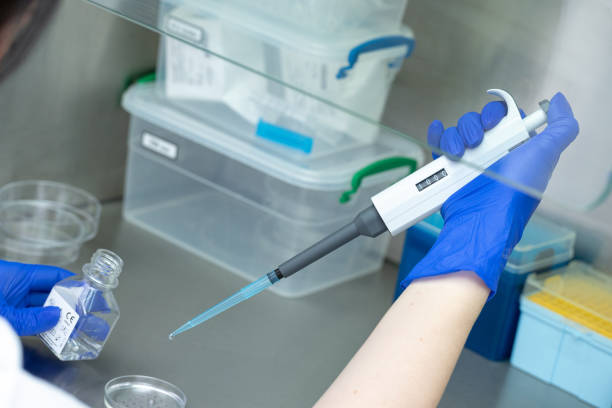
Undergoing the Intracytoplasmic Sperm Injection procedure involves several meticulously coordinated stages, each vital to the success of the overall fertility treatment. This journey is a partnership between the patient(s) and the specialized medical team.
Phase 1: Initial Consultation & Testing Before the ICSI Procedure: The ICSI procedure begins with a thorough evaluation. This includes comprehensive medical assessments for both partners, encompassing hormonal tests for women and detailed semen analysis for men. This initial phase helps the fertility doctor understand the specific causes of infertility and design a personalized treatment plan for your Intracytoplasmic Sperm Injection procedure cycle.
Phase 2: Ovarian Stimulation for the Intracytoplasmic Sperm Injection Procedure: To maximize the chances of success, fertility medications are administered to stimulate the ovaries to produce multiple mature eggs, rather than the single egg typically released in a natural cycle. This phase of the ICSI procedure usually lasts between 8 to 14 days. Throughout this period, follicle development is closely monitored using regular blood tests to check hormone levels and transvaginal ultrasounds to track the growth of follicles (sacs containing eggs).
Phase 3: Trigger Injection for Egg Maturation in the ICSI Procedure: Once the follicles reach an optimal size, a “trigger shot,” typically containing human chorionic gonadotropin (HCG), is given. This injection induces the final maturation of the eggs and prepares them for retrieval. The timing of this injection is critical, as egg retrieval is scheduled approximately 36 hours later, precisely timed for the next step of the Intracytoplasmic Sperm Injection procedure.
Phase 4: Egg Retrieval (Oocyte Pick-up) for the Intracytoplasmic Sperm Injection Procedure: This is a minor surgical procedure performed under light sedation or anesthesia. Guided by transvaginal ultrasound, a thin needle is gently inserted through the vaginal wall to aspirate the fluid from each follicle, collecting the mature eggs. This step is swift, generally lasting about 20-30 minutes, and is crucial before the laboratory portion of the ICSI procedure.
Phase 5: Sperm Collection & Preparation for the ICSI Procedure: On the same day as egg retrieval, a fresh sperm sample is typically collected from the male partner. If surgical sperm retrieval (like TESE or MESA) is necessary, this is also performed. In the laboratory, the sperm sample undergoes a washing and preparation process to isolate the healthiest, most motile sperm for use in the Intracytoplasmic Sperm Injection procedure.
Phase 6: The ICSI Microinjection: The Core of the Intracytoplasmic Sperm Injection Procedure: This is the defining and most delicate part of the ICSI procedure. Under a powerful microscope, a highly skilled embryologist selects a single, morphologically normal, and viable sperm. Using a specialized, ultra-fine glass needle (micropipette) attached to a micromanipulator, this chosen sperm is carefully injected directly into the cytoplasm of a mature egg. This bypasses any natural barriers, directly facilitating the union of genetic material. Each egg capable of undergoing fertilization receives one such injection during the Intracytoplasmic Sperm Injection procedure.
Phase 7: Fertilization Check Post-ICSI Procedure: Approximately 16 to 24 hours after the microinjection, the embryologist examines the eggs for signs of successful fertilization. This is confirmed by the presence of two pronuclei – one from the egg and one from the sperm – indicating that fertilization has occurred and the egg is now a zygote. This critical check follows the fertilization stage of the ICSI procedure.
Phase 8: Embryo Culture After the Intracytoplasmic Sperm Injection Procedure: Successfully fertilized eggs (zygotes) are then transferred to special culture media within incubators, mimicking the conditions of the fallopian tubes. Over the next 3 to 6 days, these zygotes develop into embryos, undergoing cell division. The embryologist continually monitors their growth and quality, aiming for development to the blastocyst stage (Day 5 or 6 embryo), which is generally associated with higher implantation potential. This crucial development phase follows the core Intracytoplasmic Sperm Injection procedure.
Phase 9: Embryo Transfer: Completing the ICSI Procedure Cycle: The final clinical step of the ICSI procedure is the embryo transfer. One or more of the highest-quality embryos are selected and gently transferred into the woman’s uterus using a thin, flexible catheter, typically guided by an abdominal ultrasound. This procedure is usually painless and does not require sedation. The number of embryos transferred is carefully decided based on factors like the woman’s age, embryo quality, and clinic policy, balancing success rates with the risk of multiple pregnancies.
Phase 10: Luteal Phase Support & Pregnancy Test After the Intracytoplasmic Sperm Injection Procedure: Following embryo transfer, the woman will likely continue to take hormone supplements, typically progesterone, to support the uterine lining and prepare it for embryo implantation. Approximately two weeks after the transfer, a blood test is performed to measure human chorionic gonadotropin (hCG) levels, confirming whether a pregnancy has occurred. This marks the culmination of the clinical aspects of the ICSI procedure cycle.
Success Rates of the Intracytoplasmic Sperm Injection Procedure
Understanding the success rates of the Intracytoplasmic Sperm Injection procedure is crucial for individuals embarking on this fertility journey. While ICSI doesn’t guarantee a pregnancy, it significantly boosts the chances of fertilization and subsequent embryo development, particularly in cases where conventional methods fall short.
The most direct measure of the ICSI procedure’s effectiveness is its fertilization rate. When performed on mature eggs, the Intracytoplasmic Sperm Injection procedure typically achieves fertilization rates ranging from 50% to 80%.
This figure represents the percentage of eggs successfully fertilized after the microinjection, a remarkably high rate compared to natural fertilization when severe sperm issues are present.
When comparing overall pregnancy success rates, the Intracytoplasmic Sperm Injection procedure often yields outcomes comparable to, or even superior to, traditional IVF, especially in specific scenarios. For couples with male factor infertility, ICSI consistently proves more effective at achieving fertilization than standard IVF.
However, once fertilization occurs, the subsequent success of embryo development, implantation, and live birth rates are influenced by many of the same factors as conventional IVF.
Several key factors impact the overall success of the ICSI procedure:
- Woman’s Age: This is arguably the most significant determinant. Younger women generally have higher quality eggs, which are more likely to fertilize and develop into viable embryos after the Intracytoplasmic Sperm Injection procedure.
- Underlying Infertility Causes: The specific reason for infertility, beyond just male factor issues, can influence outcomes. For example, diminished ovarian reserve or certain uterine conditions might impact implantation rates, even with successful fertilization via the ICSI procedure.
- Egg and Sperm Quality: While the ICSI procedure bypasses some barriers, the inherent quality of the egg and sperm—their genetic integrity and cellular health—remains paramount for successful embryo development.
- Clinic Expertise: The experience and technological capabilities of the fertility clinic and its embryology laboratory play a substantial role. A skilled team performing the ICSI procedure can significantly impact results.
It’s also important to consider the possibility of repeat cycles. If a first attempt at the Intracytoplasmic Sperm Injection procedure doesn’t result in pregnancy, many couples find success in subsequent cycles.
Cumulative success rates typically increase with more attempts, highlighting the perseverance often required in the fertility journey. Your fertility doctor will provide personalized success rate data based on your specific profile.
Potential Risks and Complications Associated with the ICSI Procedure
While the Intracytoplasmic Sperm Injection procedure is a highly effective and generally safe fertility treatment, like any medical intervention, it carries potential risks and complications. It’s important for prospective parents to be fully informed to make educated decisions about their fertility journey.
Risks to Eggs during the Intracytoplasmic Sperm Injection Procedure:
- Egg Damage: During the delicate microinjection step, there’s a very low risk (typically less than 5%) that the egg might be damaged by the needle. This damage can prevent fertilization or subsequent embryo development.
- Failure of Fertilization: Despite the direct injection of sperm, some eggs may still fail to fertilize. This can be due to inherent issues with the egg’s ability to activate after sperm injection, or problems with the sperm’s genetic material, even though the ICSI procedure ensures sperm entry.
Risks to Embryos after the Intracyacytoplasmic Sperm Injection Procedure:
- Embryo Arrest: Even if fertilization is successful, an embryo might stop developing in the lab before it can be transferred or cryopreserved. This is often due to chromosomal abnormalities or other developmental issues inherent in the embryo, rather than the ICSI procedure itself.
- Abnormal Development: In rare cases, the embryo may develop abnormally after the Intracytoplasmic Sperm Injection procedure, leading to poor quality embryos less likely to implant.
Pregnancy-Related Risks (Similar to any IVF Procedure):
These risks are generally associated with IVF treatment as a whole, rather than being exclusive to the ICSI procedure:
- Ectopic Pregnancy: This occurs when an embryo implants outside the uterus, most commonly in the fallopian tube. The risk of ectopic pregnancy is similar to that in natural conception but is carefully monitored during IVF cycles.
- Miscarriage: The risk of miscarriage after the ICSI procedure is comparable to that of natural pregnancies, particularly influenced by maternal age and embryo quality.
- Multiple Births: If more than one embryo is transferred during the final stage of the ICSI procedure, there’s an increased chance of multiple pregnancies (twins, triplets, etc.). This carries higher risks for both the mother (e.g., preeclampsia, gestational diabetes) and the babies (e.g., prematurity, low birth weight). Most clinics now emphasize single embryo transfer to mitigate this risk.
Potential Risks to the Child (Often Linked to Underlying Infertility, Not Solely the ICSI Procedure):
Research on long-term outcomes for children conceived via the Intracytoplasmic Sperm Injection procedure has shown that they are overwhelmingly healthy. However, some studies have identified:
- Slightly Increased Risk of Rare Genetic Conditions: There’s a minimal, statistically slight increase in the incidence of certain rare genetic conditions, such as Angelman syndrome or Beckwith-Wiedemann syndrome. It’s often debated whether this is directly due to the ICSI procedure or to the underlying infertility that necessitated the treatment in the first place, as parental infertility can be linked to genetic factors.
- Inheriting Male Infertility: Male offspring conceived using the ICSI procedure for severe male factor infertility may have a higher predisposition to developing similar fertility issues themselves, as the genetic basis for some forms of male infertility can be passed down.
Given these considerations, genetic counseling is often recommended before undergoing the Intracytoplasmic Sperm Injection procedure, particularly if there are known genetic factors contributing to infertility.
Open discussion with your fertility specialist about these risks is crucial to ensure you are fully informed throughout your ICSI procedure journey.
ICSI Procedure vs. Traditional IVF: Which is Right for You?
Choosing between the Intracytoplasmic Sperm Injection procedure and traditional in vitro fertilization (IVF) is a common decision point for many couples seeking fertility treatment. While both are powerful assisted reproductive technologies (ART), their application differs based on specific infertility factors.
The fundamental distinction lies in the fertilization method. In traditional IVF, numerous sperm are placed in a dish with the retrieved eggs, allowing nature to take its course for fertilization. This approach is generally suitable when sperm count, motility, and morphology are within normal ranges, and there are no known severe fertilization issues.
Conversely, the Intracytoplasmic Sperm Injection procedure involves the direct injection of a single sperm into each mature egg. This targeted approach is strongly recommended in several key scenarios:
- Severe Male Factor Infertility: As discussed, this is the primary indication for the ICSI procedure, addressing issues like very low sperm count, poor motility, abnormal morphology, or when sperm are surgically retrieved.
- Previous Fertilization Failure: If a couple has undergone a traditional IVF cycle that resulted in no or very low fertilization rates, the Intracytoplasmic Sperm Injection procedure is often utilized in subsequent cycles to overcome the suspected fertilization barrier.
- Use of Frozen Eggs: Due to changes that can occur in the egg’s outer layer during the freezing and thawing process, the ICSI procedure is typically preferred to ensure successful sperm penetration.
For couples without severe male factor issues or previous fertilization problems, traditional IVF might be sufficient. It’s often less complex and may be a more cost-effective option. However, the decision to proceed with the ICSI procedure versus standard IVF is not one to be made lightly or without expert guidance.
Ultimately, the choice hinges on a thorough evaluation of both partners’ specific infertility diagnosis.
Your fertility specialist will review your medical history, diagnostic test results, and any previous treatment outcomes to recommend the most appropriate and effective fertility treatment plan for your unique circumstances, guiding you on whether the Intracytoplasmic Sperm Injection procedure is the optimal path.
Preparing for Your Intracytoplasmic Sperm Injection Procedure Journey
Embarking on the Intracytoplasmic Sperm Injection procedure journey is a significant step, and thoughtful preparation can greatly enhance the experience for both partners. Beyond the medical aspects, focusing on physical and emotional well-being is paramount.
Physically, maintaining a healthy lifestyle is always beneficial. This includes a balanced diet, regular moderate exercise, and ensuring adequate sleep.
It’s crucial to avoid smoking, excessive alcohol consumption, and recreational drugs, as these can negatively impact fertility and the success of any fertility treatment, including the ICSI procedure. Your fertility specialist may also recommend specific vitamin supplements or dietary adjustments leading up to the Intracytoplasmic Sperm Injection procedure.
Emotionally, the ICSI procedure process can be demanding. Building a strong support system is vital. This could involve open communication with your partner, leaning on trusted friends or family, or seeking professional counseling specializing in infertility.
Many individuals find it helpful to connect with support groups, where sharing experiences with others undergoing similar fertility procedures can provide immense comfort and perspective.
Managing stress through mindfulness, meditation, or hobbies can also contribute positively to your overall well-being during the Intracytoplasmic Sperm Injection procedure cycle. Being prepared both physically and mentally can make the ICSI procedure journey feel more manageable.
Conclusion
The Intracytoplasmic Sperm Injection procedure represents a profound advancement in modern reproductive medicine. For countless individuals and couples worldwide, this specialized fertility treatment has transformed the prospects of parenthood, offering hope and tangible solutions where traditional methods might fall short.
Particularly effective in overcoming male factor infertility and addressing previous fertilization challenges, the ICSI procedure offers a precise, targeted approach to conception.
By directly facilitating the union of sperm and egg, the Intracytoplasmic Sperm Injection procedure maximizes the chances of fertilization, paving the way for embryo development and, ultimately, pregnancy.
While understanding the steps, success rates, and potential risks of the ICSI procedure is crucial, its proven efficacy in specific scenarios underscores its importance in comprehensive fertility care.
If you are exploring your options for family building and believe the Intracytoplasmic Sperm Injection procedure might be right for you, the essential next step is to consult with a reputable fertility clinic and a qualified fertility specialist. They can provide personalized guidance, conduct necessary diagnostics, and help you determine if the ICSI procedure aligns with your unique needs and goals.
FAQ
Is the Intracytoplasmic Sperm Injection procedure painful?
The egg retrieval component of the ICSI procedure is performed under sedation or anesthesia, ensuring you feel no pain during the process. While some women may experience mild cramping or discomfort similar to menstrual cramps afterward, the embryo transfer, the final step of the Intracytoplasmic Sperm Injection procedure, is typically painless and requires no anesthesia.
How long does the entire ICSI procedure take?
The full Intracytoplasmic Sperm Injection procedure cycle, from the start of ovarian stimulation medications to the embryo transfer, typically spans about 2 to 3 weeks. The actual microinjection of sperm into eggs in the laboratory is a swift, precise step within this broader timeline.
What are the chances of twins or multiple births with the ICSI procedure?
Similar to traditional IVF, the Intracytoplasmic Sperm Injection procedure carries an increased chance of multiple births (twins, triplets) if more than one embryo is transferred. Your fertility specialist will carefully discuss the optimal number of embryos to transfer, balancing your desired success rates with minimizing the risks associated with multiple pregnancies.
Does the Intracytoplasmic Sperm Injection procedure guarantee fertilization?
While the ICSI procedure significantly increases the likelihood of fertilization by directly introducing a sperm into an egg, it does not guarantee it. Fertilization rates typically range from 50% to 80%. Other factors, such as the inherent quality of the egg and sperm, and subsequent embryo development, also play a role.
What happens if the ICSI procedure doesn’t work the first time?
If an initial Intracytoplasmic Sperm Injection procedure cycle does not result in pregnancy, your fertility specialist will thoroughly review all aspects of the cycle to understand potential reasons. Many couples successfully achieve pregnancy in subsequent cycles, as cumulative success rates tend to increase with multiple attempts. Your doctor will discuss personalized strategies or further diagnostic steps.
Is the ICSI procedure safe for the baby?
Babies conceived through the Intracytoplasmic Sperm Injection procedure are overwhelmingly healthy. While some research has indicated a statistically slight increase in the incidence of certain rare genetic conditions, it’s often debated whether this is directly attributable to the ICSI procedure itself or to the underlying infertility factors that necessitated the treatment. Genetic counseling is frequently recommended to address any specific concerns.